
Endoscopic Skull Base & Pituitary Surgery in Jacksonville, FL
Center for Endoscopic Anterior Skull Base and Pituitary Surgery in Jacksonville, FL.
Endoscopic anterior skull base and pituitary surgery is a minimally invasive procedure used to treat conditions affecting the anterior skull base and the pituitary gland. Jacksonville Sinus & Nasal Institute (JSNI) is the leading pituitary surgery provider in Jacksonville, FL with skilled surgeons who specialize in this intricate technique.
Why Consider Endoscopic Anterior Skull Base and Pituitary Surgery?
This surgical approach is typically recommended for conditions such as:
- Pituitary tumors
- Cerebrospinal fluid leaks
- Meningiomas
- Sinus tumors
- Other anterior skull base conditions
What Does Endoscopic Anterior Skull Base and Pituitary Surgery Involve?
This surgical procedure is performed through the
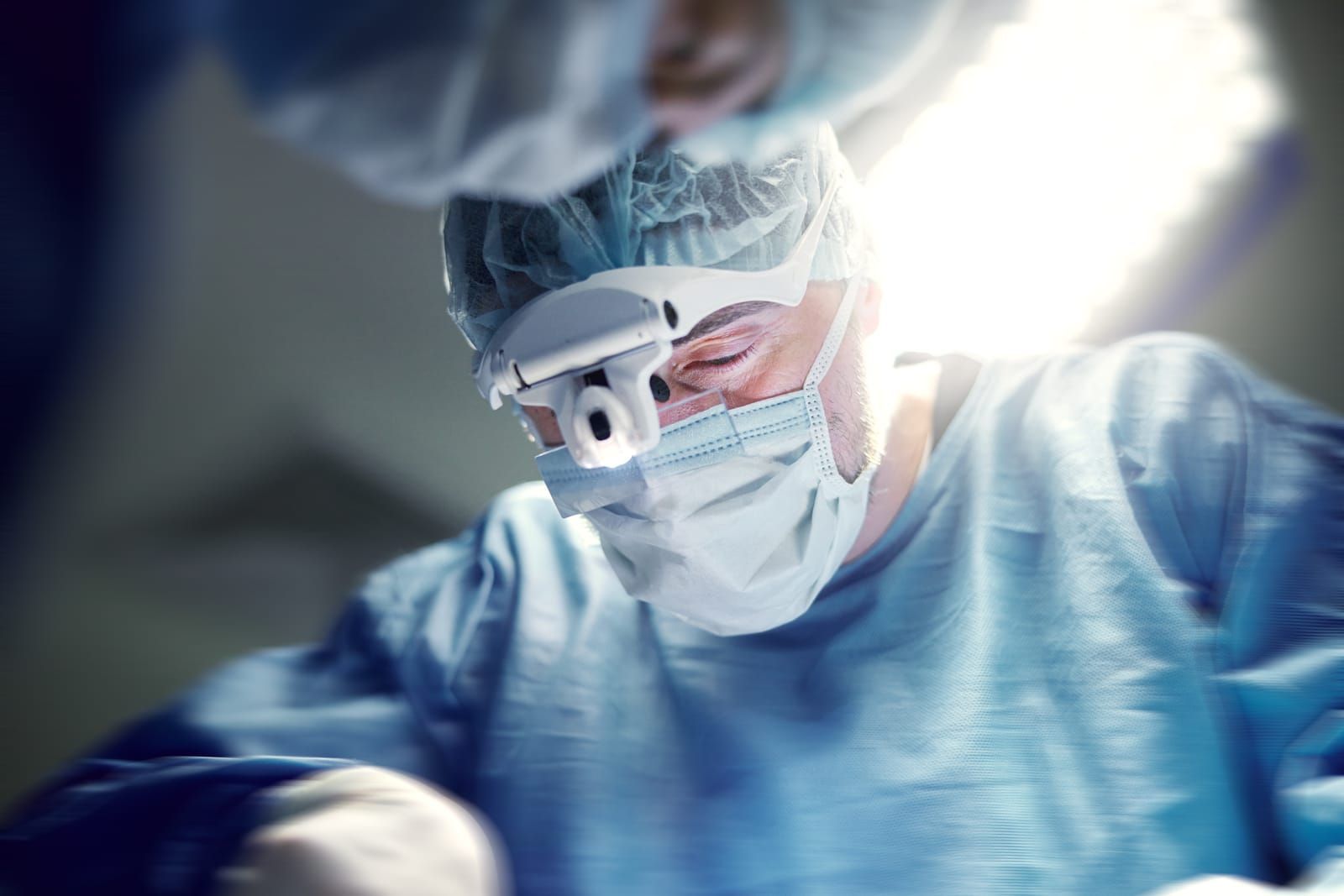
nose using an endoscope—a thin, flexible tube equipped with a camera. This approach allows the surgeon to access the skull base and pituitary gland without any external incisions, ensuring minimal scarring and lower risk of complications. Surgeries are often performed by a team of rhinologists and neurosurgeons to ensure comprehensive care.
Benefits of Endoscopic Anterior Skull Base and Pituitary Surgery
There are several benefits associated with this procedure:
- Minimally invasive with less scarring
- Reduced hospital stay and recovery time
- Lower risk of complications compared to traditional open surgery
- Better preservation of normal structures
Choosing the Right Surgeon in Jacksonville, FL
Selecting a competent and experienced surgeon is important when patients need one of these delicate surgeries. Here are some factors to consider:
- Experience and Expertise: The surgeon should have significant experience in performing endoscopic anterior skull base and pituitary surgeries.
- Board Certification: A board-certified surgeon guarantees that the surgeon has undergone rigorous training and meets high standards of care. Fellowship-trained rhinologists have additional training to handle complex skull base lesions and perform these delicate surgeries.
- Reviews and Recommendations:
Patient testimonials can provide valuable insights into the surgeon’s reputation and skills.
Recovery After Endoscopic Anterior Skull Base and Pituitary Surgery
Postoperative care plays a pivotal role in ensuring a swift recovery. Following your surgeon’s advice regarding rest, medication, and follow-up visits is essential.
Why Choose the Jacksonville Sinus & Nasal Institute for your Surgery
Endoscopic anterior skull base and pituitary surgeries offer an effective approach to treating conditions of these areas. In Jacksonville, FL, you can find top-tier specialized surgeons at the Jacksonville Sinus & Nasal Institute that are experienced in these surgeries. Remember, choosing the right surgeon and diligently adhering to postoperative care instructions are key elements to a successful surgical outcome.
Endoscopic Skull Base Surgery
Endoscopic skull base surgery is a highly specialized procedure used to treat conditions located at the base of the brain, including skull base tumors, meningiomas, cerebrospinal fluid (CSF) leaks, and osteomas. These conditions were traditionally treated with open craniotomy, which involves large incisions and longer recovery times. Today, advances in endoscopic technology allow surgeons to access these areas through the nasal passages with no external scars.
Using a minimally invasive endoscopic approach, surgeons can remove tumors or repair defects with enhanced precision and visualization. This technique significantly reduces trauma to surrounding tissues, lowers the risk of complications, and shortens hospital stays. Patients often experience less postoperative discomfort and a faster return to normal activities compared to traditional methods.
Conditions like CSF leaks require careful diagnosis and management to prevent complications such as infection. Learn more about CSF leak management and how advanced surgical techniques can restore normal function.
At Jax Sinus & Allergy, our surgeons have completed advanced fellowship training in rhinology and skull base surgery. This subspecialty expertise ensures that even the most complex cases are handled with the highest level of precision and care.
Pituitary Tumor Surgery
Pituitary tumor surgery focuses on treating growths within the pituitary gland, most commonly pituitary adenomas. These tumors can affect hormone production and lead to symptoms such as headaches, vision problems, fatigue, and hormonal imbalances. In many cases, treatment requires a coordinated approach between ENT specialists, neurosurgeons, and endocrinologists.
The preferred method for removing pituitary tumors is the transnasal endoscopic approach. This technique allows surgeons to reach the pituitary gland through the nasal cavity and sphenoid sinus, eliminating the need for external incisions or brain retraction. The result is a safer, less invasive procedure with improved recovery outcomes.
Surgery is typically recommended when tumors are causing significant symptoms, growing in size, or not responding to medical therapy. In some cases, medications may be used to control hormone production, delaying or avoiding surgery altogether. A thorough evaluation helps determine the most appropriate treatment plan based on each patient’s condition.
Recovery from pituitary surgery is generally quicker than traditional approaches. Many patients return home within a few days and resume normal activities within a few weeks, depending on the complexity of the case. Ongoing follow-up care is essential to monitor hormone levels and ensure long-term success.
If you are experiencing concerning symptoms, including vision changes, persistent sinus issues, or neurological signs, it’s important to understand potential skull base tumor symptoms and seek expert evaluation.
Why Choose a Fellowship-Trained Rhinologist for Skull Base Surgery
Skull base and pituitary procedures require a level of expertise that goes beyond general ENT training. Fellowship-trained rhinologists undergo additional years of specialized education focused specifically on advanced sinus and skull base surgery techniques. This training includes experience with complex anatomy, tumor removal, and multidisciplinary collaboration.
Choosing a fellowship-trained specialist means your care is guided by a surgeon who routinely performs these procedures and stays current with the latest advancements in minimally invasive techniques. This level of experience is especially important when dealing with delicate structures near the brain, optic nerves, and major blood vessels.
Additionally, many skull base procedures are closely connected with sinus health. In some cases, conditions may overlap with those treated through
endoscopic sinus surgery, further highlighting the importance of specialized expertise in this area.
What to Expect
Understanding the surgical process can help reduce anxiety and prepare you for a smoother experience. The journey typically begins with a comprehensive evaluation, including imaging studies such as CT or MRI scans. These tests allow your surgeon to assess the condition and plan the safest, most effective approach.
On the day of surgery, procedures are performed under general anesthesia using an endoscopic, transnasal technique. There are no external incisions, and most surgeries are completed within a few hours. Patients are monitored closely during recovery and may stay in the hospital for observation depending on the complexity of the case.
Postoperative recovery varies, but most patients experience less discomfort compared to traditional open surgery. Nasal congestion, mild fatigue, and temporary restrictions on activity are common during the initial healing phase. Follow-up appointments ensure proper healing and allow your care team to address any concerns.
In some cases, related procedures such as
orbital surgery may be recommended if the condition extends into surrounding structures. Your surgeon will discuss all options and provide a personalized treatment plan.
Fellowship-trained rhinologists are highly skilled professionals dedicated to the nose and sinus field. Using state-of-the-art technology and techniques, they aim to deliver optimum patient care and improved quality of life by effectively treating any nasal or sinus conditions present.