Endoscopic Endonasal Approach: A Brain Surgery Through the Nose
Imagine doctors being able to fix a complex problem at the base of your brain without a single external cut on your head or face. This isn’t science fiction—it’s a reality thanks to a modern surgical technique called the Endoscopic Endonasal Approach (EEA).
In simple terms, surgeons use the natural pathway of your nose as a corridor to reach the deepest parts of your skull. While this "keyhole" surgery is groundbreaking, it's important to understand both its amazing benefits and its unique challenges.
Let's break down the advantages and the potential risks and limitations of this innovative procedure.
What is the Endoscopic Endonasal Approach?
The skull base is like the bony floor of your brain, cradling critical nerves and blood vessels. Traditionally, operating in this area required large openings in the skull.
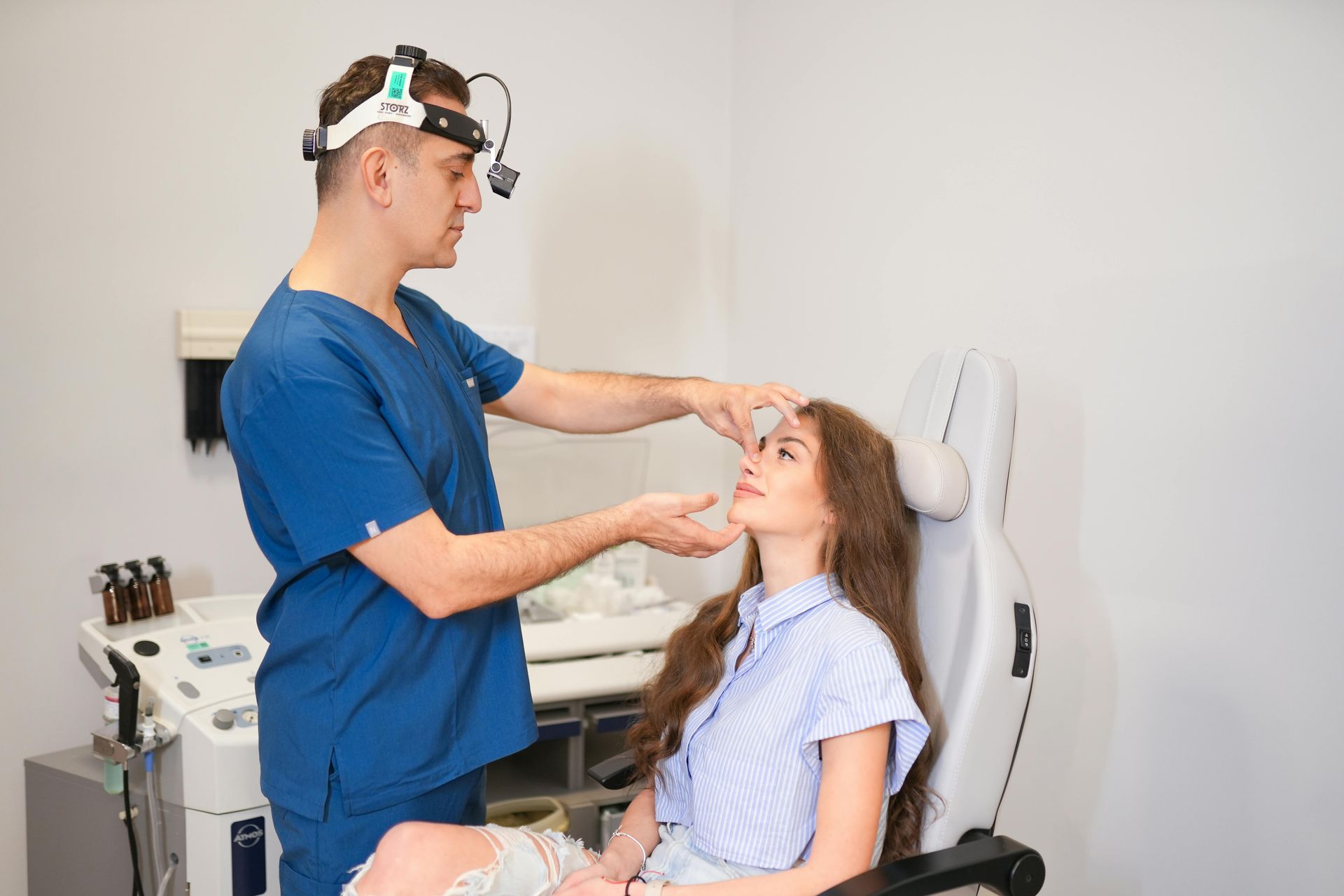
Endoscopic endonasal technique changes that. Surgeons gently insert a thin, flexible tube with a camera (an endoscope) through the nostril to access and treat tumors or lesions at the skull base.
Common conditions treated with EEA include:
- Pituitary tumors
- Benign growths like meningiomas or craniopharyngiomas
- Cerebrospinal Fluid (CSF) leaks
- Certain sinus cancers
Advantages of Endoscopic Endonasal Approaches
1. Enhanced Visualization
The endoscope acts like a high-definition GPS for surgeons. It provides a magnified, lit-up view, allowing them to see around corners and into tiny spaces with incredible precision.
2. No External Scars
Because everything is done through the nostrils, patients avoid facial incisions, shaved hair, and visible scars.
3. Less Trauma to the Brain
Traditional open surgery often requires gently moving the brain aside. With EEA, surgeons navigate around the brain instead, significantly reducing manipulation and potential injury.
4. Fewer Side Effects and Complications
By avoiding a large skull opening, patients often experience less pain, a lower risk of infection, shorter hospital stays, and a quicker return to daily life.
5. Multidisciplinary Collaboration
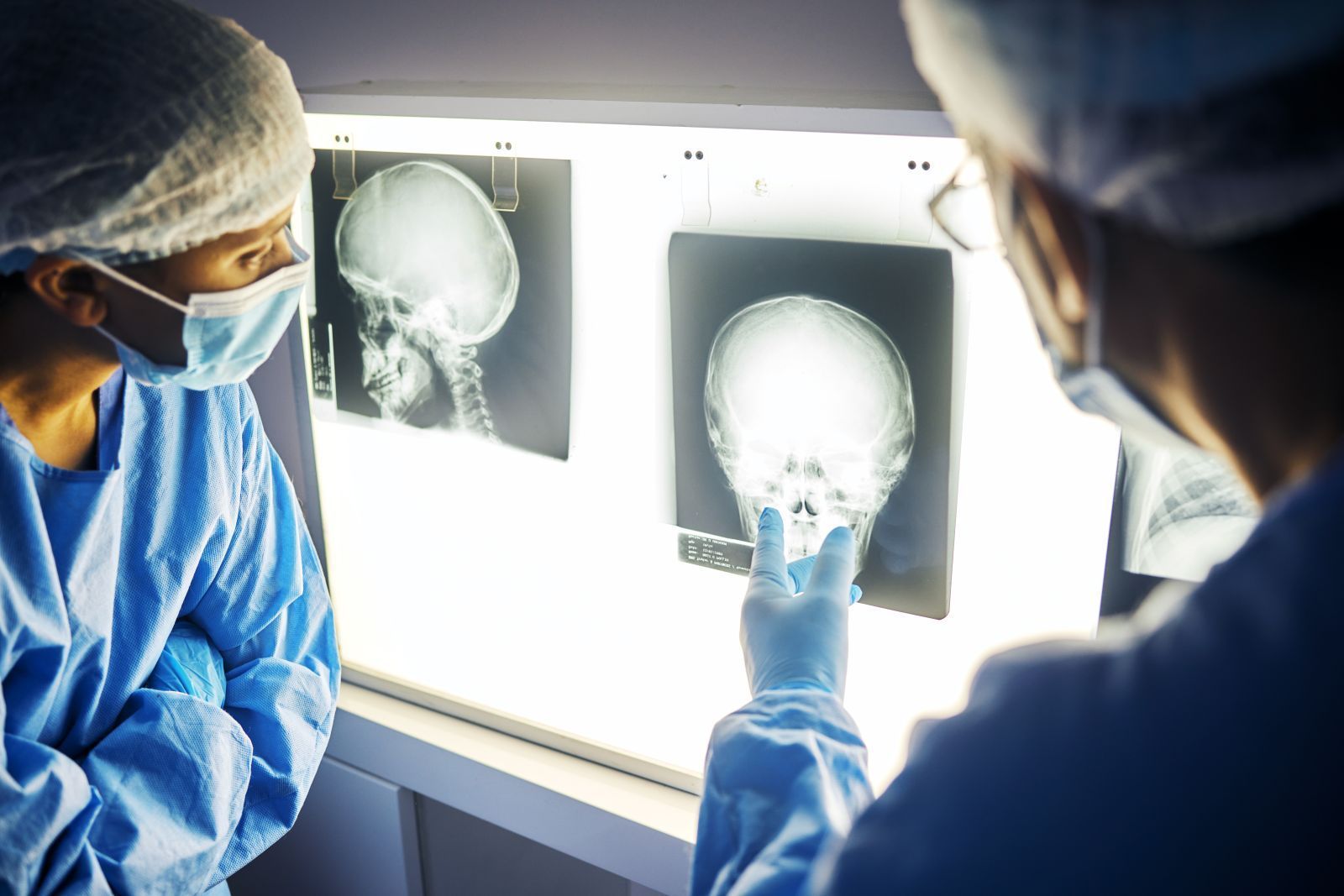
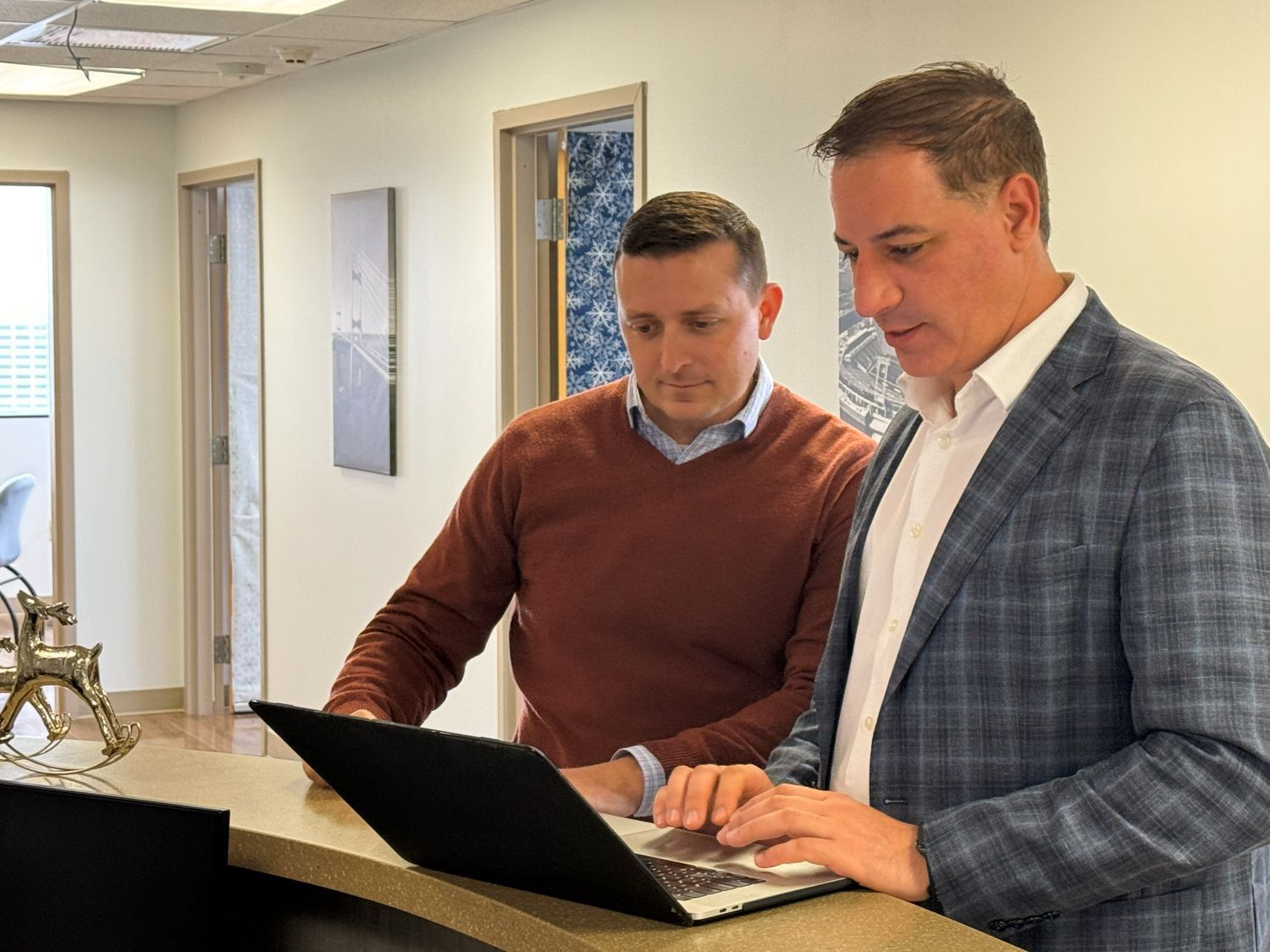
This isn't a one-person job. A successful EEA surgery is a team effort, typically involving both a neurosurgeon (brain expert) and an ENT specialist (nose and sinus expert). Their combined knowledge is a huge win for patient safety and outcomes.
6. More Treatment Options for More People
EEA has expanded the possibilities for treating a variety of conditions, offering new hope to many patients.
Risks and Limitations of Endoscopic Endonasal Approaches
1. Limited Working Space
The nasal passage is a narrow corridor. This can make maneuvering surgical instruments challenging, especially for larger or more complex tumors. It demands a great deal of skill and patience from the surgical team.
2. Risk of Cerebrospinal Fluid (CSF) Leak
To reach the problem area, surgeons create a small opening in the skull base. If not sealed perfectly, this can lead to a CSF leak. While often repairable, it requires careful management to prevent infection.
3. Risk of Vascular Injury
Major blood vessels lie near the skull base. Accidental injury to a blood vessel, though rare, is a serious risk that requires immense surgical skill to avoid.
4. Steep Learning Curve
Not every surgeon performs this procedure. Mastering EEA requires extensive, specialized training and a lot of practice. It's important to choose a surgeon and team with deep, specific experience in this procedure.
When EEA Isn’t the Best Option
EES is not a one-size-fits-all solution. Tumors that are very hard, have extensive blood vessel involvement, or are located in a way that makes a nasal approach too difficult may still require a traditional open surgery. The best approach is always tailored to the individual patient.
The Key to Success: A Skilled, Multidisciplinary Team
The single most important factor in reducing risks and maximizing benefits is the expertise of the surgical team.
Here’s how you can be proactive:
- Choose an Experienced Center: Look for a medical center with a dedicated skull base team where neurosurgeons and ENT specialists collaborate routinely.
- Ask Informed Questions: Don't hesitate to ask your surgeons about their experience with EEA, the potential risks, and what recovery realistically looks like.
- Commit to Your Recovery: Meticulously following postoperative care instructions is critical for preventing complications and ensuring a smooth healing process.
Endoscopic Endonasal Surgery Experts in Florida
At Jacksonville Sinus & Nasal Institute, our highly specialized team of neurosurgeons and ENT surgeons work side-by-side. This collaborative approach is designed to maximize the benefits of minimally invasive procedures like EEA while meticulously minimizing risks.
If you have questions about a sinus, nose, or skull base condition, schedule a consultation with us. Our team is here to guide you with clarity and compassion.