Does Nasal Breathing Improve Athletic Performance? Benefits for Endurance & Recovery
Most athletes spend countless hours improving strength, speed, endurance, and technique. Yet one performance factor is often overlooked entirely: breathing. Whether you're a runner chasing a personal best, a golfer preparing for a crucial putt, a football player recovering between plays, or a tactical operator performing under pressure, the way you breathe may influence far more than you realize.
Research suggests that nasal breathing may improve breathing efficiency, support exercise tolerance, contribute to recovery and even help athletes stay calmer during competition. But can something as simple as breathing through your nose really provide a competitive advantage?
As athletes enter the offseason, it's the perfect time to evaluate every aspect of performance. That starts with an important question: Is your nose holding you back?
Why Is Nasal Breathing Important for Athletes?
Your nose does much more than simply bring air into your body. It is a highly specialized system designed to prepare air before it reaches the lungs.
When you breathe through your nose, the nasal passages filter airborne particles, warm and humidify incoming air, regulate airflow resistance, and increase nitric oxide production. Together, these functions help create a more efficient breathing system that may support athletic performance.
By comparison, chronic mouth breathing may contribute to dehydration, inefficient breathing patterns, poor sleep quality, and slower recovery.
How Nasal Breathing Improves Athletic Performance
Mouth breathing may feel efficient when you're gasping for air, but science tells a different story. Nasal breathing offers a cascade of physiologic benefits that directly impact athletic performance.
Increased Nitric Oxide Production
One of the most important benefits of nasal breathing is
increased nitric oxide production. Nitric oxide is a naturally occurring molecule produced within the nasal passages. When inhaled through the nose, it travels into the lungs where it may help:
- Improve oxygen uptake in the lungs
- Dilate blood vessels and enhance circulation
- Deliver more oxygen to working muscles
Research suggests
nitric oxide plays an important role in cardiovascular function, respiratory efficiency, and exercise performance.
Better Breathing Efficiency
Nasal breathing often encourages slower, more controlled breathing patterns and greater use of the diaphragm. Research suggests that some individuals experience reduced breathing frequency and improved breathing efficiency when breathing through the nose, particularly during lower-intensity activity. Although the effects on athletic performance vary among individuals, efficient breathing patterns may help reduce the sensation of breathlessness and support exercise tolerance.
Improved Carbon Dioxide Tolerance
Athletic performance depends on more than oxygen intake.
The body's ability to tolerate carbon dioxide (CO₂) plays a major role in endurance and breathing efficiency.
Training with nasal breathing may help athletes:
- Delay respiratory fatigue
- Improve stamina
- Stay calmer under pressure
- Maintain more efficient breathing mechanics
Improved carbon dioxide tolerance has been associated with breathing efficiency and may support endurance performance in some athletes.
Supports Mental Focus
Breathing patterns directly affect the nervous system.
Fast, shallow mouth breathing tends to activate the body's "fight-or-flight" response. Controlled nasal breathing helps stimulate the parasympathetic nervous system—the body's "rest and recover" mode.
This is one reason military special operations personnel frequently use controlled breathing techniques to maintain composure and decision-making under pressure.
For athletes, the same physiologic control can be valuable during critical moments of competition.
Can Nasal Breathing Improve Recovery?
Yes. Recovery is one of the most overlooked areas where nasal breathing may help athletes.
Proper nasal breathing during rest and sleep can support:
- Better sleep quality
- Reduced dry mouth
- Lower stress hormone activation
- Enhanced recovery
- Reduced inflammation
Athletes who struggle with chronic congestion, mouth breathing, snoring, or disrupted sleep may not recover as effectively as they could.
Since adaptation and muscle repair occur during recovery, improving nighttime airflow can have a direct impact on athletic performance.
Can Better Breathing Give Athletes a Competitive Edge?
In many cases, yes. Efficient breathing supports oxygen delivery, endurance, focus, and recovery, all important components of athletic performance. When athletes can breathe comfortably and maintain steady airflow during exercise, they may experience improved stamina, better recovery between efforts, and enhanced performance under pressure.
Whether competing on the football field, golf course, marathon route, or in tactical training environments, optimal breathing can play an important role in:
- Endurance
- Focus and concentration
- Recovery
- Stamina
- Stress management
- Overall athletic performance
For athletes experiencing chronic nasal congestion, breathing difficulties, or sleep-related breathing disorders, evaluation and treatment may help remove barriers to peak performance.
Signs Your Nasal Airway May Be Limiting Performance
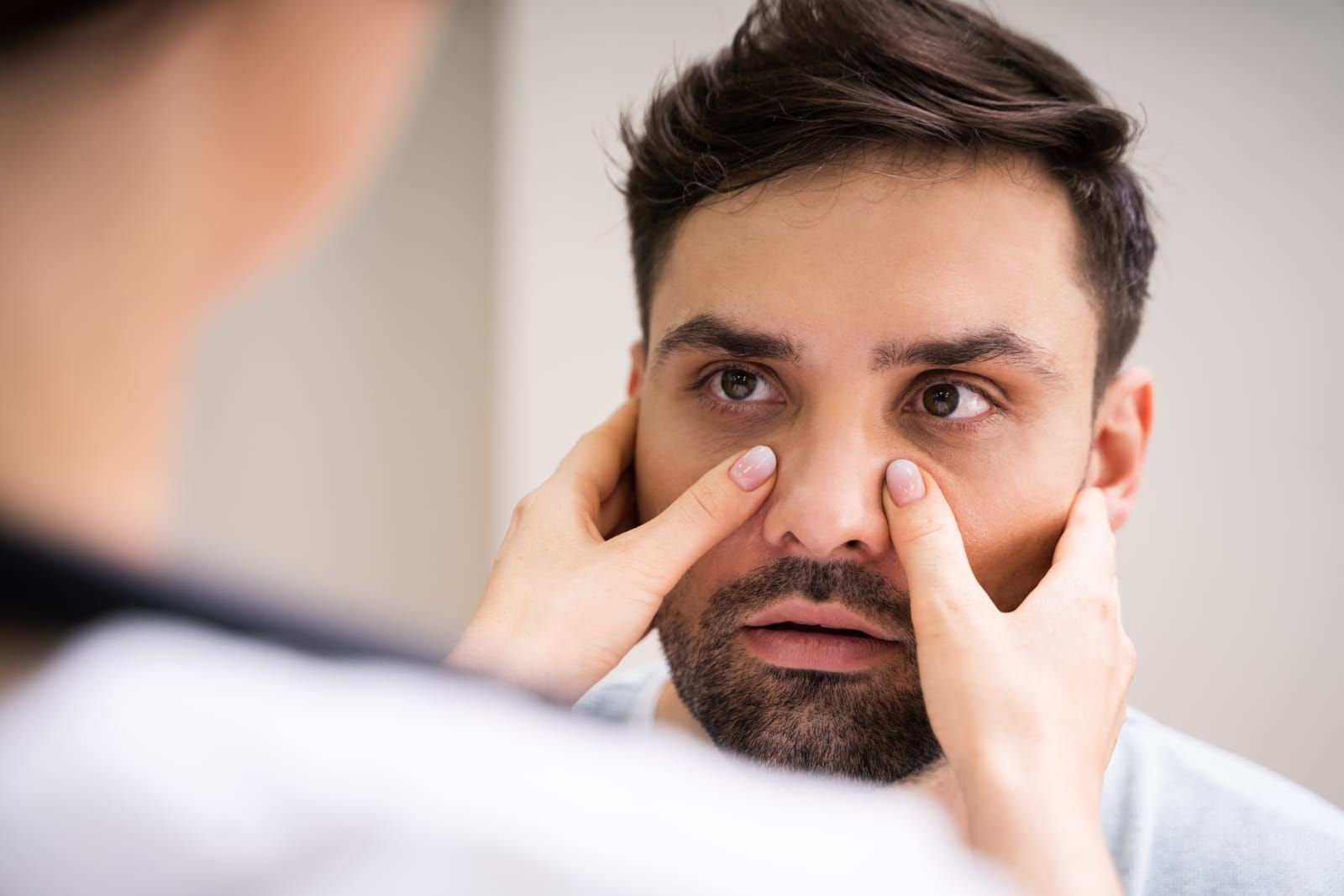
Even the best breathing techniques won't help if nasal airflow is physically blocked. Common causes of nasal airway obstruction in athletes include:
- Septal deviation (often from prior facial trauma)
- Turbinate hypertrophy (enlarged nasal tissues)
- Nasal valve collapse (especially during deep inspiration)
- Allergic or nonallergic rhinitis
Athletes often compensate by mouth breathing without realizing it. Symptoms of inadequate nasal airflow include:
- Difficulty breathing through the nose during exercise
- Chronic mouth breathing during sleep or training
- Dry mouth, snoring, or poor sleep quality
- Feeling "air hungry" even when fit
If these symptoms sound familiar, an airway evaluation may be worthwhile.
Strategies to Optimize Nasal Breathing for Peak Performance
The good news is that nasal airway obstruction is often treatable.
Nonsurgical Treatments:
- Medical management of allergies or inflammation
- Nasal saline irrigation
- Nasal dilators or strips for mechanical support during training
- Breathing retraining exercises
Surgical Options (for structural obstruction):
For structural airway problems, treatment options may include:
- Septoplasty to correct a deviated septum
- Turbinate reduction to improve nasal airflow
- Nasal valve repair to prevent collapse during deep inspiration
Many athletes report improvements in breathing comfort, sleep quality, and exercise tolerance after addressing structural nasal obstruction.
Athletic Breathing Evaluation in Jacksonville, Florida
Optimizing nasal breathing won't replace training, but it can help you get more from every workout, recover more effectively, and perform at a higher level when it matters most.
If you've ever wondered why you feel "air-starved" during intense exercise, wake up with a dry mouth, or struggle to recover between efforts, your nasal airway may be the missing link.
The offseason is the ideal time to address breathing limitations before the demands of competition return. If you're ready to improve your nasal airflow, sleep quality, recovery, and athletic performance, schedule an evaluation with Jacksonville Sinus & Nasal Institute.
Disclaimer: This article is for educational purposes only and does not constitute medical advice. Always consult a qualified healthcare provider before making decisions about your health or athletic training.
Search results for 'polyps' (2)